1. No‑pallet Direct Ground Forming, Greatly Cut Pallet‑related Expenses
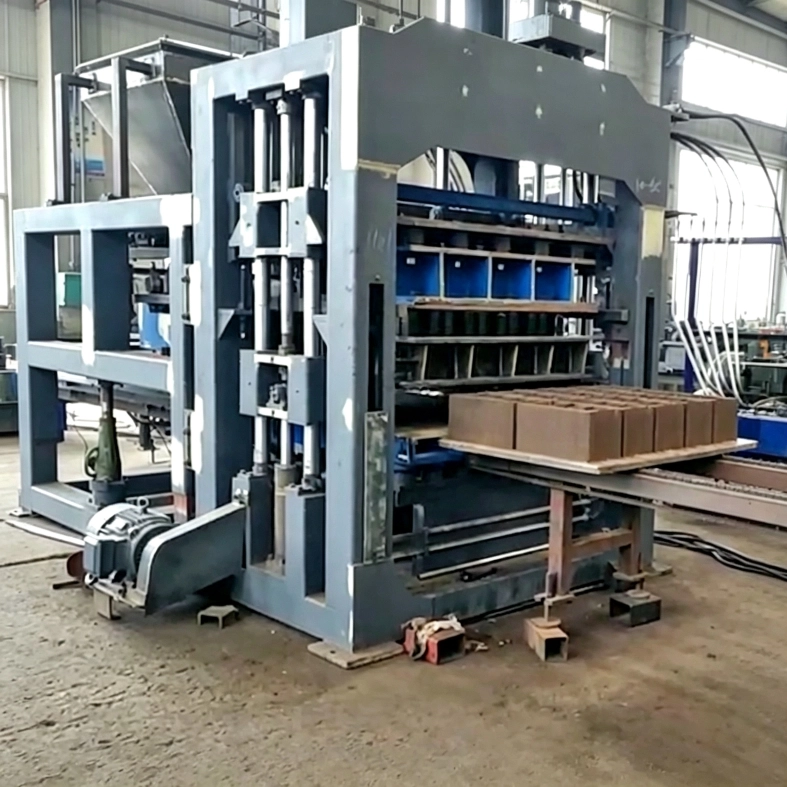
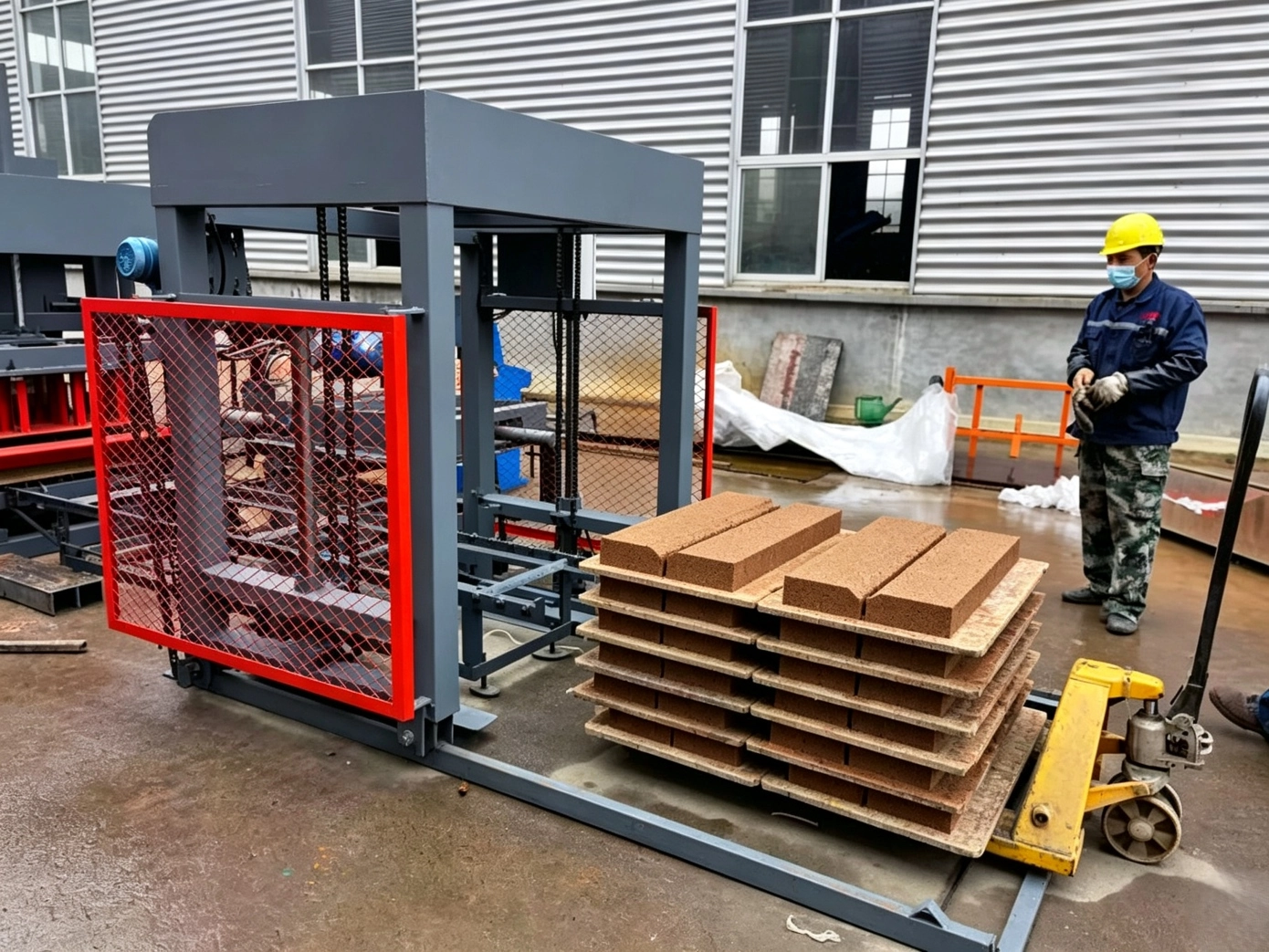
Traditional block machines need large quantities of wooden or plastic pallets to carry green bricks, and pallets bring continuous cost from purchase, wear and replacement. QMJ4‑30 no‑pallet design forms hollow blocks directly on hardened solid ground. You are free from heavy pallet investment and subsequent replacement cost caused by cracking, deformation and aging. For small‑scale hollow‑block manufacturers, it saves one‑time high pallet budget. There is no need for pallet sorting, turnover and daily maintenance, simplifying on‑site workflow and improving overall profit margin. It is highly suitable for startup and home‑based small hollow‑block projects.
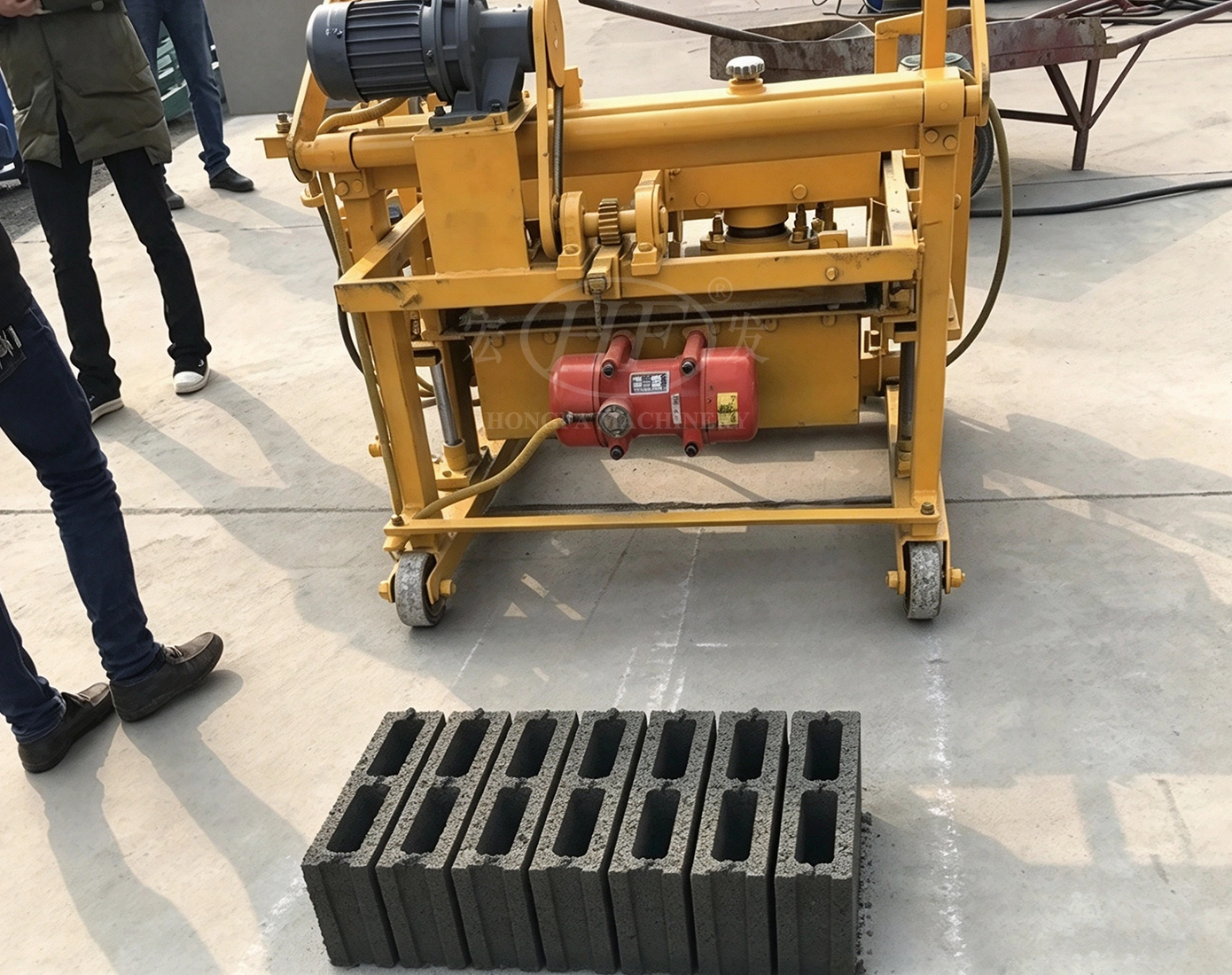
2. Mould Vibration Forming, Complete Cavity Profile & Stable Block Strength, Less Waste
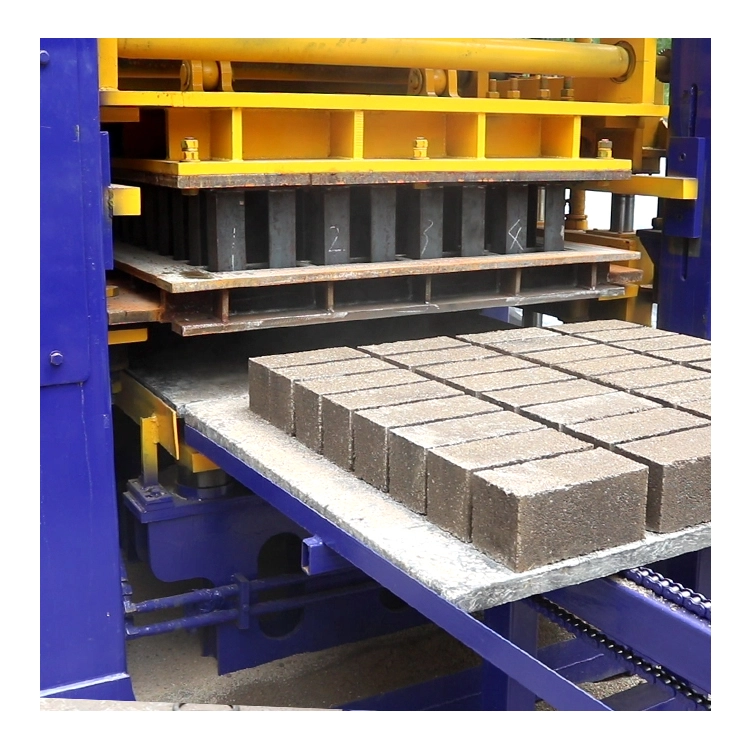
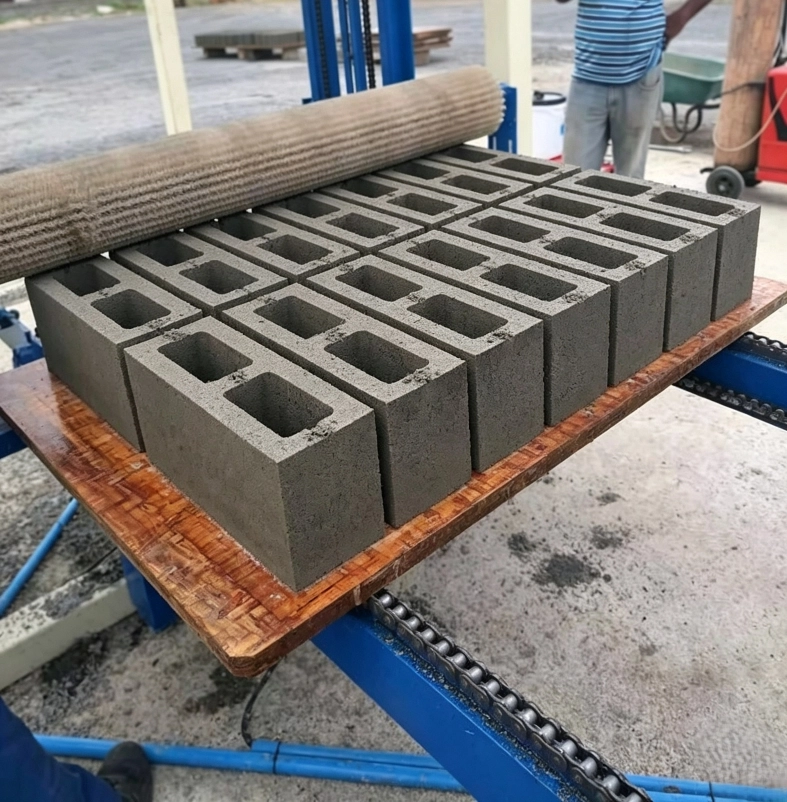
A major pain point of hollow‑block production is insufficient material filling around core moulds, which easily causes collapsed cavity walls, deformed holes and chipped corners, resulting in rejected products. This machine adopts mould‑box vibration. Vibration energy transfers fully to every mould cavity, making aggregates adequately fill cavity ribs and outer walls. Finished hollow blocks own straight cavity outline, sturdy non‑collapsible cavity walls and uniform compactness. It achieves stable compressive strength and good dimensional consistency, reducing raw‑material loss from hole collapse and corner breakage. Finished blocks meet supply standards for rural housing and small‑scale infrastructure. It helps small factories secure local hollow‑block supply contracts and avoid economic loss caused by defective goods and returns.
3. Light‑weight & Movable Structure, Small Footprint for Home‑workshop Startup
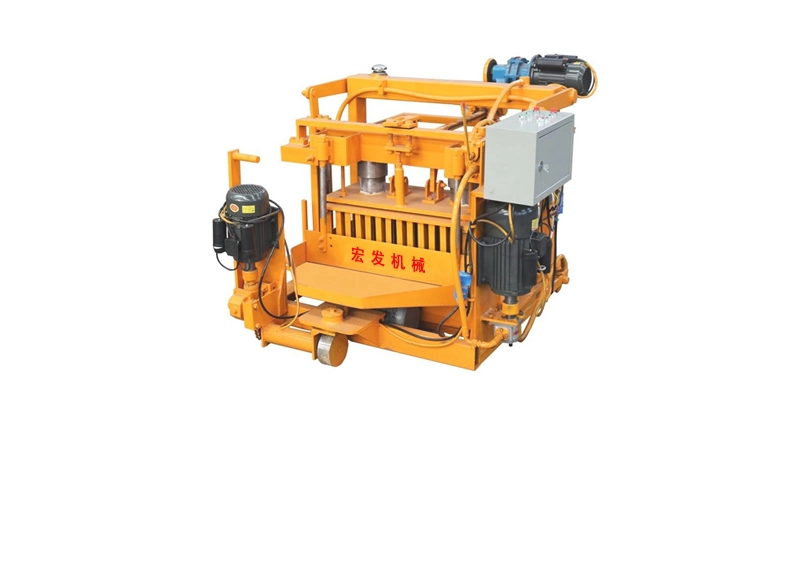
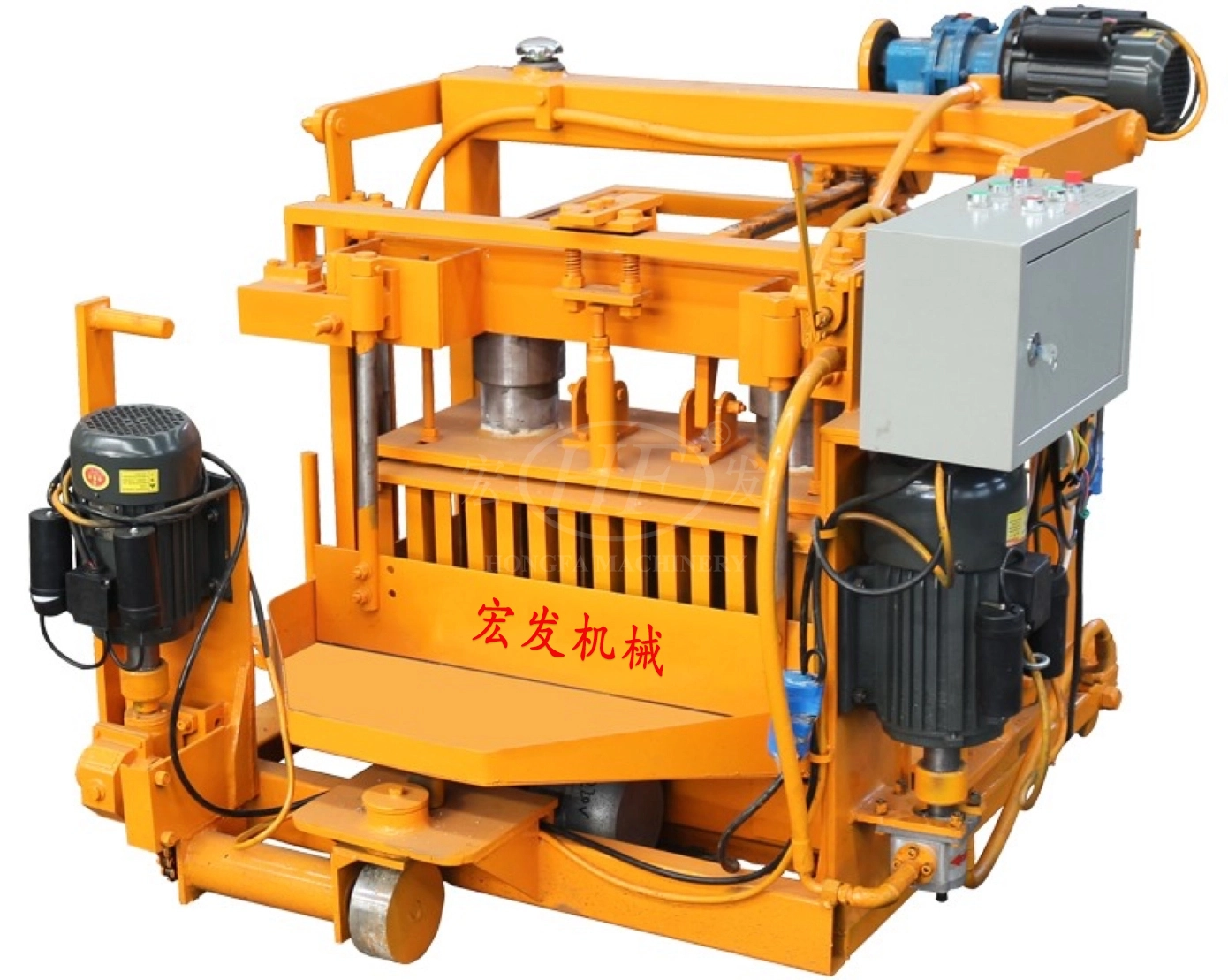
Total machine weight is only 880kg, equipped with moving wheels for flexible relocation. Heavy‑duty fixed foundation is not required. Only 3000‑5000 ㎡ of solid hardened ground is enough for hollow‑block production, no large‑size workshop reconstruction needed. Home workshops and new‑start‑up projects can avoid high civil‑construction investment. The machine can change working positions according to production needs. Low site‑entry threshold allows investors to launch hollow‑block business with limited budget.
4. Wide Raw‑material Compatibility, Utilize Local Waste to Lower Material Cost
High‑grade sand is not mandatory for hollow‑block production. Qualified hollow blocks can be produced by mixing limited cement with crushed stone, stone chips, fly ash, cinder, slag, gangue and other industrial solid waste. You can source cheap local industrial by‑products to cut long‑distance aggregate transportation cost. Stable production can be maintained even when premium sand is scarce or price rises. Lower material cost improves price competitiveness and profit margin for your hollow blocks in local market.
5. Reliable Configuration & Less Breakdown Risk, Avoid Production Halt for Small‑batch Orders
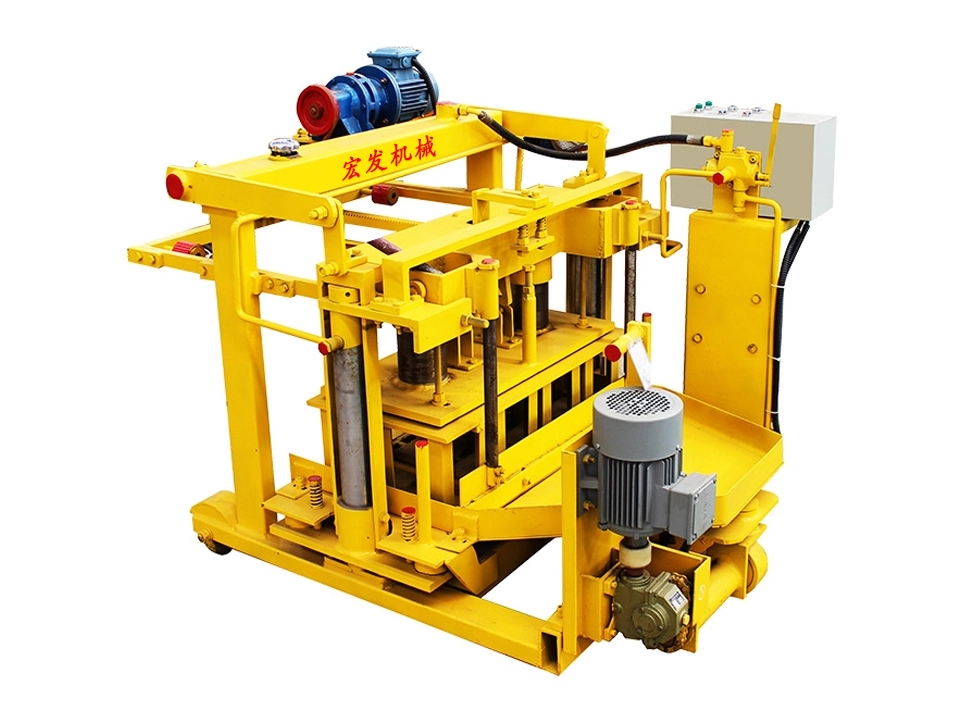
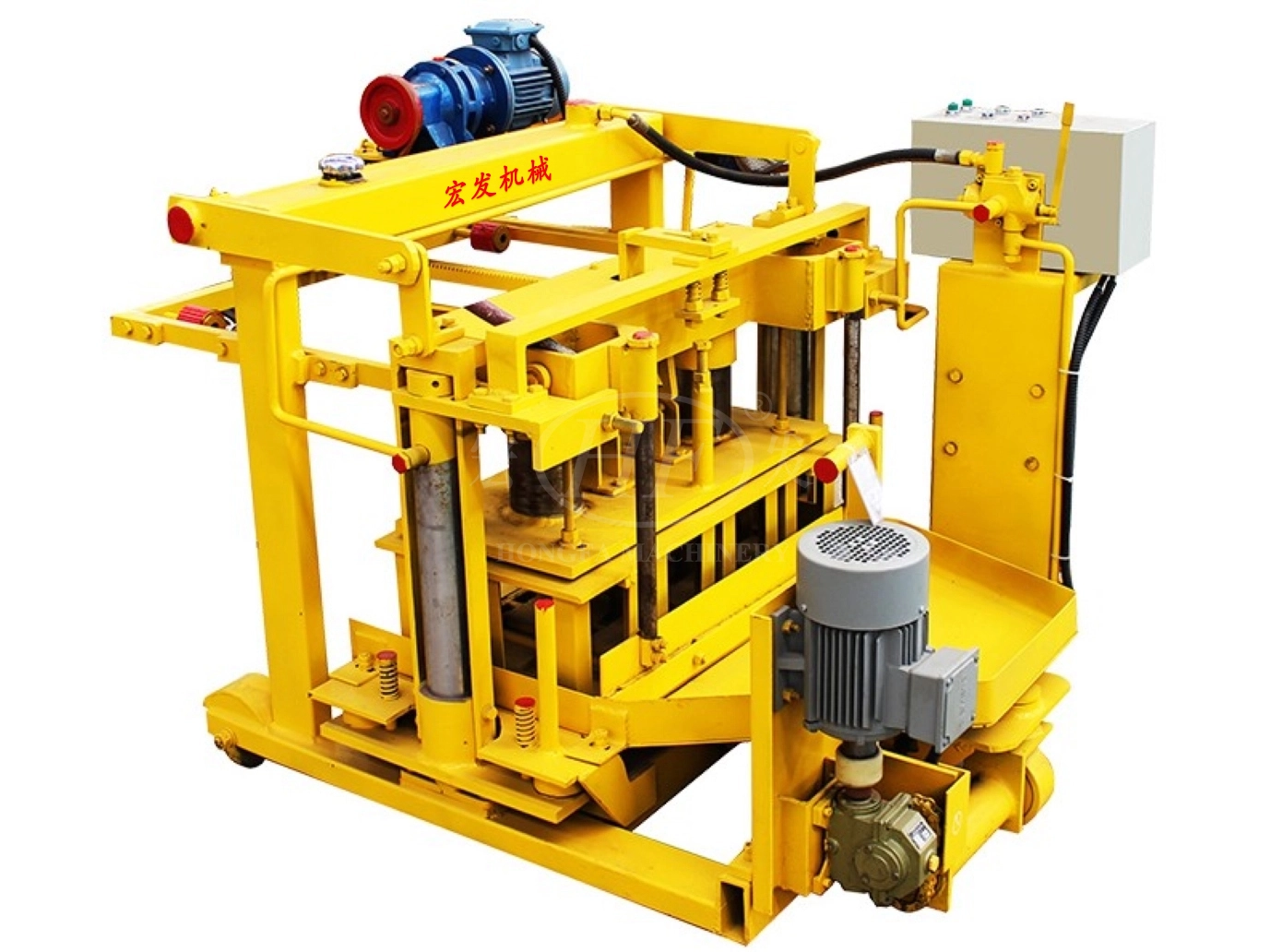
Main frame is welded with thick square steel tubes from premium steel mills for high rigidity, adapted to frequent mould vibration cycles for hollow‑block production. Vibration box transmission replaces direct vibration‑motor drive to lower motor burnout risk. Famous‑brand hydraulic components ensure stable hydraulic movement. Simple overall structure with few wearing‑parts and low maintenance difficulty. Only 2‑3 workers run the whole production line. Minimize unplanned shutdown risk which would delay confirmed hollow‑block orders. Ordinary site workers can replace wearable components without heavy reliance on professional after‑sales technicians to guarantee on‑time delivery of small‑volume orders.
6. Stable Production Rhythm for Small‑batch & Multi‑batch Hollow‑block Orders, Low Labor Input
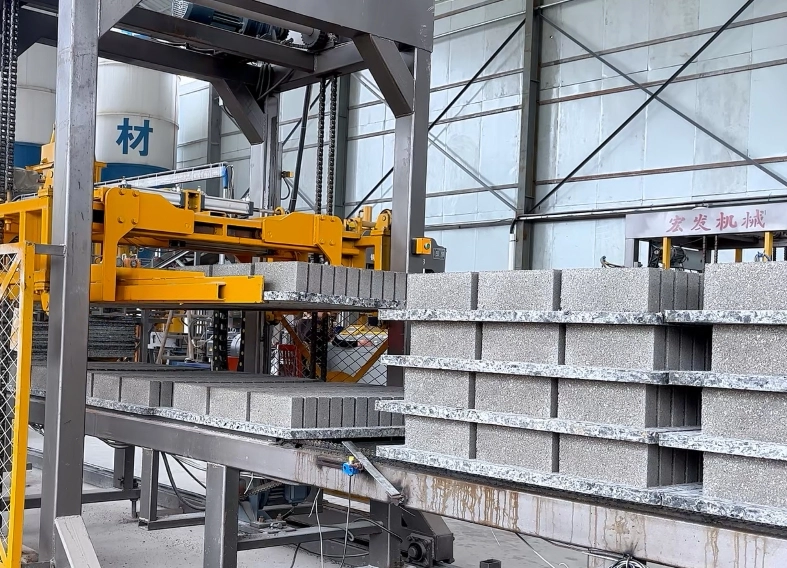
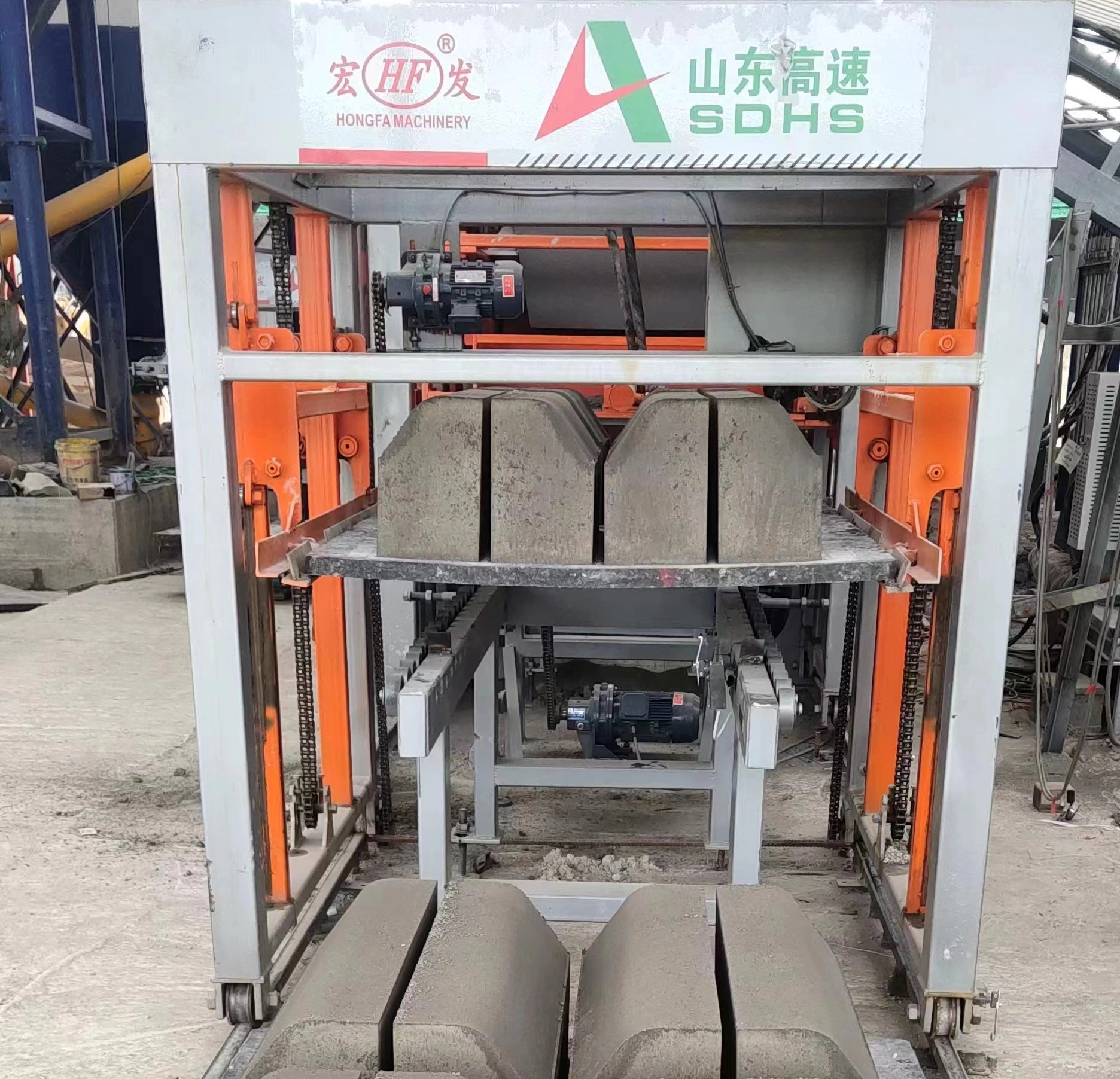
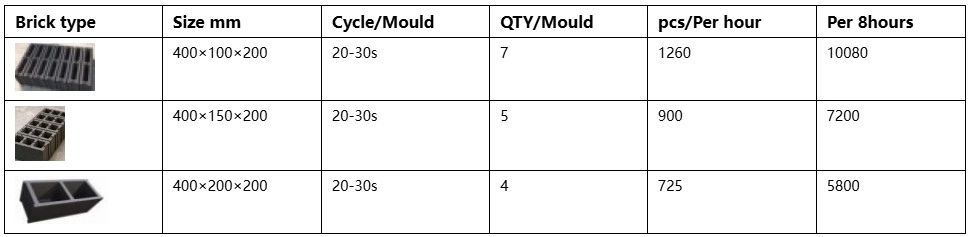
Molding cycle lasts 20‑30 seconds, delivering stable output according to hollow‑block specifications, matching order volume of home‑based and small‑size factories. Matched with JQ350 concrete mixer, the workflow from mixing to finished blocks is straightforward without complicated pallet conveying and stacking mechanisms. Only 2‑3 workers handle material mixing, feeding and finished‑block transferring for the complete line, keeping labor expenditure under control. It supports flexible production scheduling for scattered hollow‑block orders from rural housing and minor engineering projects, avoiding resource waste of oversized machines for small‑volume tasks.
1. No‑pallet Direct Ground Forming, Greatly Cut Pallet‑related Expenses
Traditional block machines need large quantities of wooden or plastic pallets to carry green bricks, and pallets bring continuous cost from purchase, wear and replacement. QMJ4‑30 no‑pallet design forms hollow blocks directly on hardened solid ground. You are free from heavy pallet investment and subsequent replacement cost caused by cracking, deformation and aging. For small‑scale hollow‑block manufacturers, it saves one‑time high pallet budget. There is no need for pallet sorting, turnover and daily maintenance, simplifying on‑site workflow and improving overall profit margin. It is highly suitable for startup and home‑based small hollow‑block projects.
2. Mould Vibration Forming, Complete Cavity Profile & Stable Block Strength, Less Waste
A major pain point of hollow‑block production is insufficient material filling around core moulds, which easily causes collapsed cavity walls, deformed holes and chipped corners, resulting in rejected products. This machine adopts mould‑box vibration. Vibration energy transfers fully to every mould cavity, making aggregates adequately fill cavity ribs and outer walls. Finished hollow blocks own straight cavity outline, sturdy non‑collapsible cavity walls and uniform compactness. It achieves stable compressive strength and good dimensional consistency, reducing raw‑material loss from hole collapse and corner breakage. Finished blocks meet supply standards for rural housing and small‑scale infrastructure. It helps small factories secure local hollow‑block supply contracts and avoid economic loss caused by defective goods and returns.
3. Light‑weight & Movable Structure, Small Footprint for Home‑workshop Startup
Total machine weight is only 880kg, equipped with moving wheels for flexible relocation. Heavy‑duty fixed foundation is not required. Only 3000‑5000 ㎡ of solid hardened ground is enough for hollow‑block production, no large‑size workshop reconstruction needed. Home workshops and new‑start‑up projects can avoid high civil‑construction investment. The machine can change working positions according to production needs. Low site‑entry threshold allows investors to launch hollow‑block business with limited budget.
4. Wide Raw‑material Compatibility, Utilize Local Waste to Lower Material Cost
High‑grade sand is not mandatory for hollow‑block production. Qualified hollow blocks can be produced by mixing limited cement with crushed stone, stone chips, fly ash, cinder, slag, gangue and other industrial solid waste. You can source cheap local industrial by‑products to cut long‑distance aggregate transportation cost. Stable production can be maintained even when premium sand is scarce or price rises. Lower material cost improves price competitiveness and profit margin for your hollow blocks in local market.
5. Reliable Configuration & Less Breakdown Risk, Avoid Production Halt for Small‑batch Orders
Main frame is welded with thick square steel tubes from premium steel mills for high rigidity, adapted to frequent mould vibration cycles for hollow‑block production. Vibration box transmission replaces direct vibration‑motor drive to lower motor burnout risk. Famous‑brand hydraulic components ensure stable hydraulic movement. Simple overall structure with few wearing‑parts and low maintenance difficulty. Only 2‑3 workers run the whole production line. Minimize unplanned shutdown risk which would delay confirmed hollow‑block orders. Ordinary site workers can replace wearable components without heavy reliance on professional after‑sales technicians to guarantee on‑time delivery of small‑volume orders.
6. Stable Production Rhythm for Small‑batch & Multi‑batch Hollow‑block Orders, Low Labor Input
Molding cycle lasts 20‑30 seconds, delivering stable output according to hollow‑block specifications, matching order volume of home‑based and small‑size factories. Matched with JQ350 concrete mixer, the workflow from mixing to finished blocks is straightforward without complicated pallet conveying and stacking mechanisms. Only 2‑3 workers handle material mixing, feeding and finished‑block transferring for the complete line, keeping labor expenditure under control. It supports flexible production scheduling for scattered hollow‑block orders from rural housing and minor engineering projects, avoiding resource waste of oversized machines for small‑volume tasks.

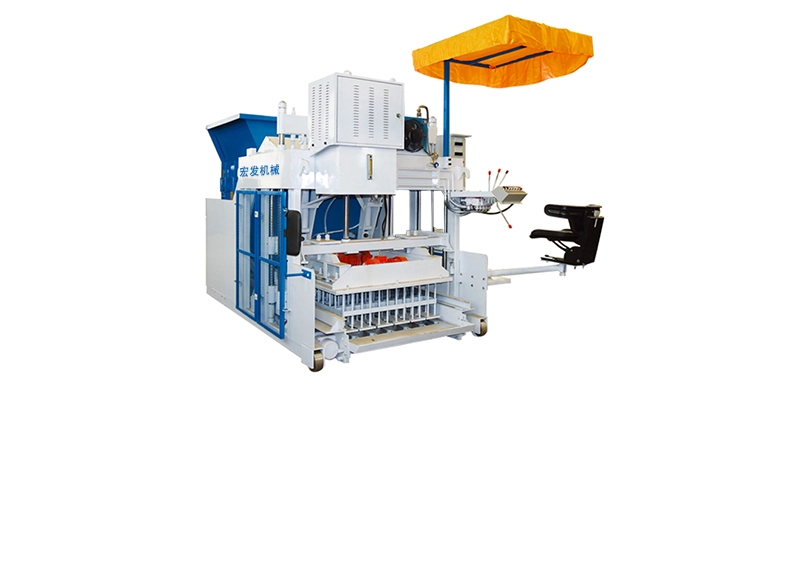 QMJ-10A Interlocking Block Making Machine | Mobile Pallet-Free Interlock Brick Production Equipment
Hongfa QMJ-10A mobile interlocking block machine works without pallets for high-strength interlock bricks. It adopts dua...
 QMJ-10A Mobile Hollow Block Machine | High Output Concrete Hollow Block Production Equipment
QMJ-10A mobile hollow block machine, Hongfa electromechanical hydraulic integrated no-pallet block machine, specially de...
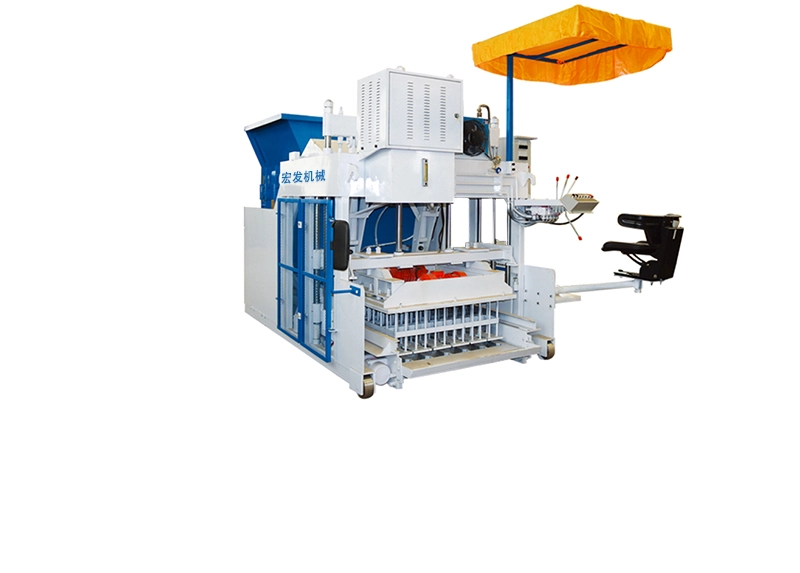 QMJ‑10A Compressed Earth Egg Laying Block Making Machine
QMJ‑10A is a pallet‑free mobile hydraulic block making machine with secondary mould‑vibration design. Overall dimension ...
Shandong Hongfa Scientific Industrial&Trading Co.,Ltd ©️2026Copyright © LU ICP B 16041216-4